
Stop Reciting Your Résumé: How to Write an Elevator Pitch People Actually Remember


Someone at a Chamber mixer asks what you do, and out comes the résumé voice. "I'm a mobile notary and trust delivery agent servicing the DFW metroplex, specializing in loan signings, general notarizations, and estate planning documents."
Their eyes glaze over before you hit "metroplex." You watch it happen in real time and keep talking anyway, because you practiced this and you're finishing it.
That answer is not wrong. It is just useless. Nobody remembers a job title. They remember a problem solved.
Why the first few seconds of an Elevator Pitch do all the work
You do not get two minutes to make a first impression. Research on thin-slice judgments out of Princeton found that people form a reliable read on a speaker within the first thirty seconds of talking to them, and other first-impression research puts the real window even tighter than that. Harvard Business Review has pointed to the first eight seconds as the actual hook, the stretch where you either earn a "tell me more" or lose the room for good.
That is not a lot of runway. Which means the goal of an elevator pitch is not to say everything you do. It is to say the one true thing that makes a stranger lean in.
The Bad, Better, Best model
Here is the same notary business described three ways. Notice what changes, because it is not the facts. It is who the sentence is about.
Bad: I am a mobile notary and trust delivery agent who services the DFW metroplex, specializing in real estate closings, general notary work, and estate planning documents.
This is a job description. It answers "what is your title," which nobody actually asked.
Better: I help real estate professionals and attorneys ensure smooth, error-free signings by providing reliable mobile notary services whenever and wherever they need them.
Closer. Now there is a "who" in the sentence. Still reads a little stiff, like it was written for a brochure instead of said out loud to a human.
Best: You know how frustrating it is when a closing gets delayed because of missing paperwork? I help title companies and attorneys keep things moving by handling all their mobile notary needs on the spot.
This one opens with the listener's headache, not your credentials. It sounds like a person talking, not a LinkedIn summary. That is the version people repeat to somebody else later, which is the entire point of saying it in the first place.
Build yours in four steps
1. Identify who you help. Not "everyone who needs a notary." Get specific. Real estate agents? Estate planning attorneys? New parents doing wills for the first time? Name the person, then name the exact problem you solve for them. Vague audiences get vague pitches, and vague pitches get forgotten by the time the elevator door opens.
2. Highlight what makes you different. Is your edge speed? Availability nights and weekends? A specialty other notaries in your market do not touch? Find the one thing you do that the notary two exits down the highway does not, and build the pitch around that instead of a full service list.
3. Make it conversational. Say it the way you would tell a friend, not the way you would write it on a business card. If a sentence would look natural in a résumé bullet, cut it and rebuild it in plain language. Ditch the jargon. Nobody outside the industry cares what a loan signing agent certification is, they care whether their closing runs on time.
4. Practice. Do not memorize. Say it out loud to three different people this week and pay attention to what changes each time. A memorized script sounds memorized, and people can hear it. A pitch you know well enough to bend to the person in front of you sounds like a conversation, which is the whole goal. You are not reciting a line. You are opening a door.
The part everyone skips
Nobody drafts the perfect version on the first try, and that is fine. Write your Bad draft first. It will probably sound like your current answer, résumé voice and all. Then write your Better draft. Then sit with the listener's actual problem for a minute and write your Best draft, the one that starts with them instead of you.
Know it well enough to bend it, not recite it. The goal is a conversation, not a pitch.
👆 This guide that we use inside the Certified Notary Trust Delivery Agent program can help you write and recite your unique elevator pitch! Feel free to pass this along to your notary friends so they can work on their Universal Selling Proposition, too. 👆
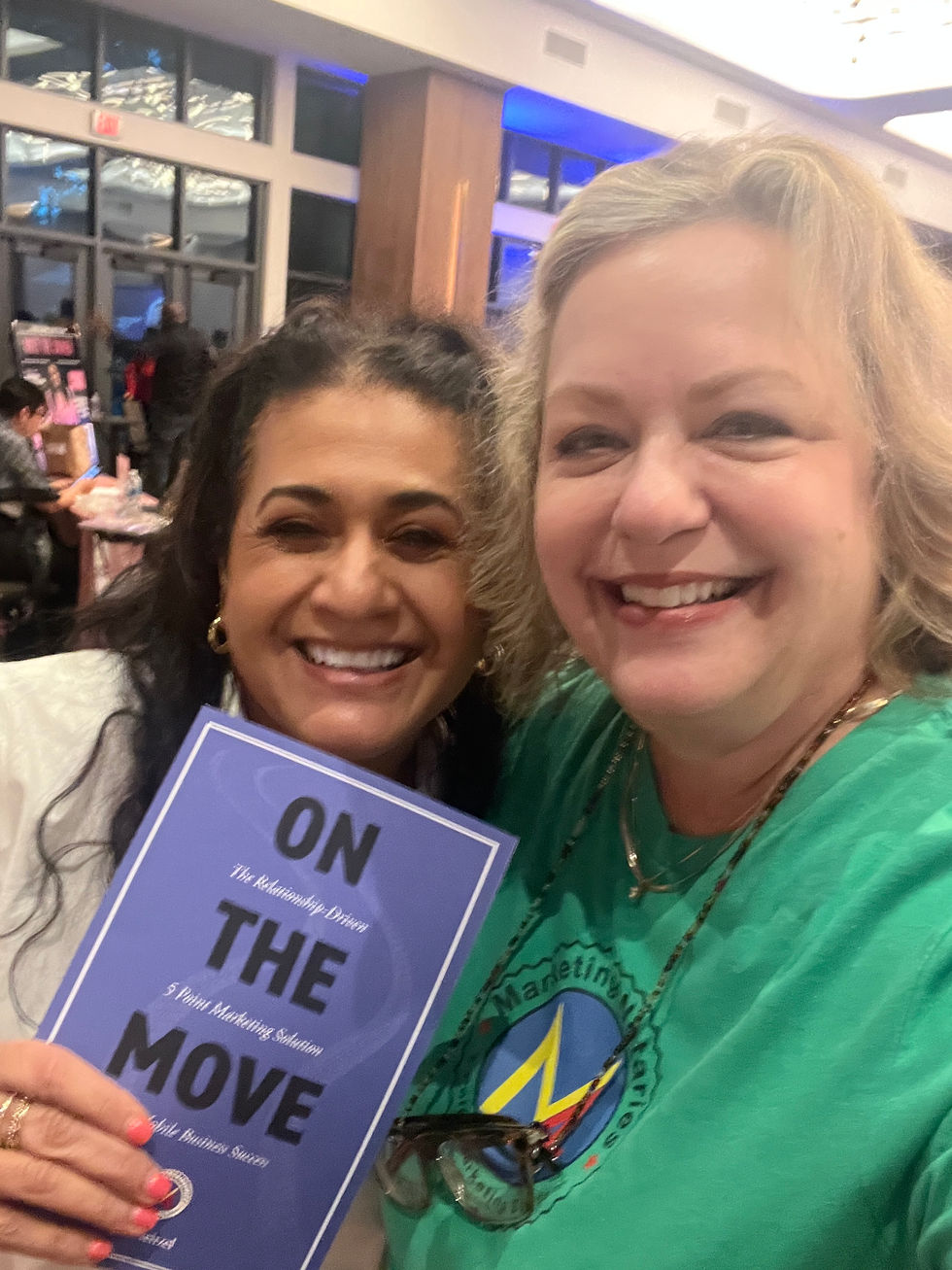
If you want to work through this with a room full of notaries who will tell you honestly whether your version lands, that is exactly what happens most Tuesdays at Tuesday Notary Titans, free, no pitch, just notaries helping notaries get sharper. And if you want the full playbook this comes from, along with the rest of the 5 Point Marketing System, it's all laid out in On The Move, available on Amazon.



Comments